
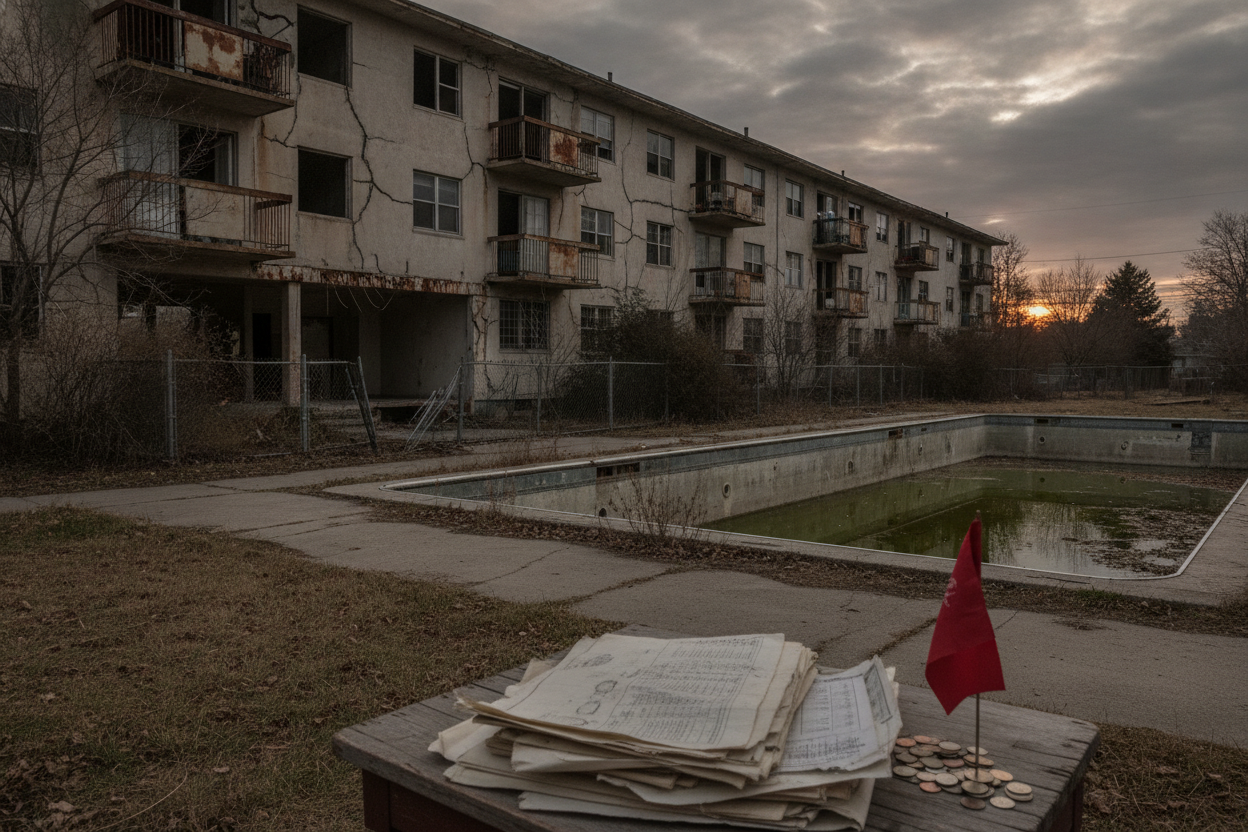
Reserve funds are meant to support long-term repairs and replacement projects, so they deserve careful attention. When reserve planning is weak, communities may face deferred maintenance, sudden special assessments, or pressure to borrow money unexpectedly. Residents do not need to manage the fund themselves, but they should understand the basic signals of stress.
One red flag is a reserve study that appears outdated or disconnected from actual conditions. Another is a budget that keeps pushing maintenance into the future without a clear explanation. If major components are aging and the reserve balance remains low, the association may be postponing necessary work rather than planning for it responsibly.
Residents should also pay attention to repeated assessments or emergency funding requests that arrive with limited detail. While some situations truly are urgent, a pattern of last-minute financial surprises can indicate poor forecasting. Asking for the supporting documents, including the reserve study and current funding plan, is a reasonable step.
The goal is not to alarm neighbors. It is to encourage realistic planning and honest communication. Reserve funding works best when owners understand the long-term costs of upkeep and boards explain those costs clearly. That transparency helps communities avoid avoidable surprises and make better decisions over time.
Leave a Reply