
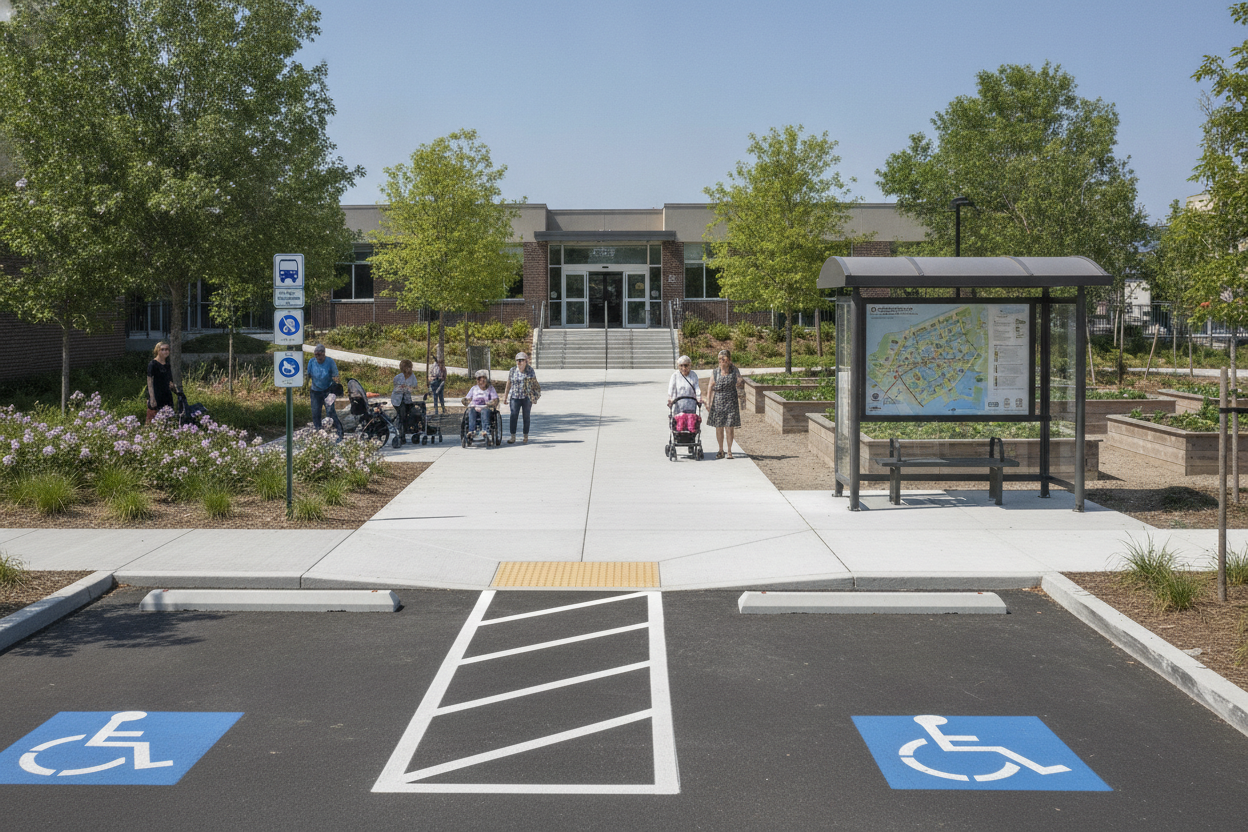
Common areas should be usable by residents and visitors with a wide range of mobility and communication needs. In practical terms, that means pathways, entrances, parking areas, signage, and shared facilities should be reviewed with accessibility in mind. A barrier in one area can affect daily access to the entire community.
When a concern is identified, document the location, the nature of the barrier, and how it affects use. Photos can help, but written notes are equally important because they explain the context. If a resident needs an accommodation related to a common-area barrier, the request should be stated clearly and processed through the association’s normal procedure.
Accessibility is also a governance issue because it depends on planning, maintenance, and communication. A board that treats access concerns seriously will respond with clear timelines, accurate information, and a willingness to review practical solutions. That approach is usually better than delay or denial without explanation.
Communities that prioritize accessibility often improve the experience for everyone, not just those with a specific disability-related need. Good lighting, clear signage, unobstructed routes, and readable notices are simple examples of design choices that can make shared spaces safer and more functional for all residents.
Leave a Reply